Popular Destinations
Residency Programmes We Support

 Portugal
Portugal's D7 visa allows applicants with sufficient passive income — from pensions, rental income, or remote work — to establish full legal residency. Combined with the Non-Habitual Resident (NHR) tax regime, it is one of Europe's most attractive residency options.
Qualification: Passive income or remote work income
Stay requirement: Minimum 183 days/year in Portugal
Pathway: 5 years to permanent residency / citizenship

 Greece
Greece's investor residency programme is one of the most flexible in Europe, with no obligation to reside in the country. It grants Schengen travel rights and can be renewed every five years provided the investment is maintained.
Qualification: Real estate or fund investment from €250,000
Stay requirement: No minimum stay requirement
Pathway: 7 years to citizenship eligibility
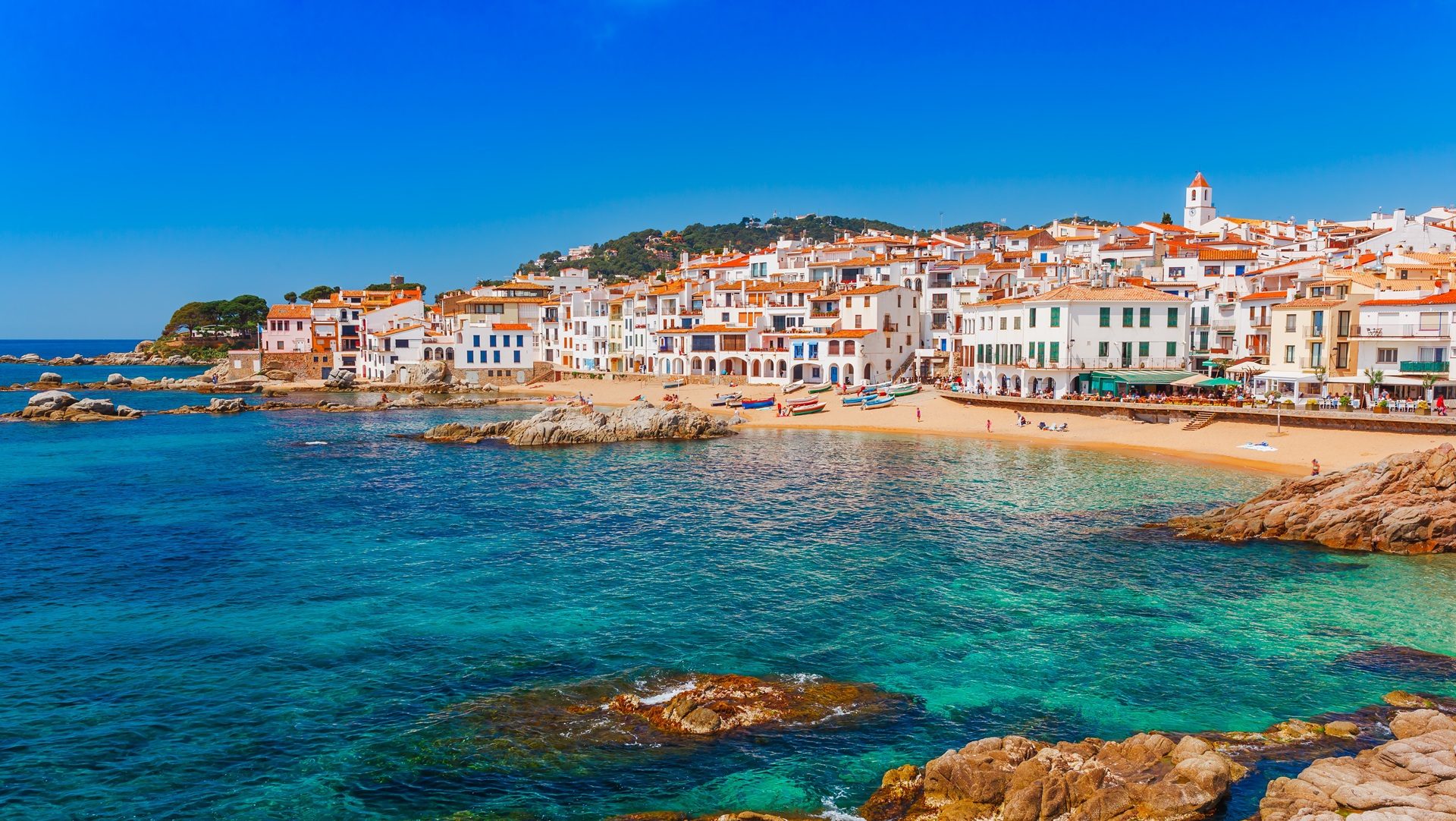
 Spain
Spain
Spain offers two popular residency routes: the investor visa (golden visa equivalent) for capital-based applicants, and the non-lucrative visa for those with sufficient income who wish to retire or live in Spain without working locally.
Qualification: Passive income or real estate from €500,000
Stay requirement: Flexible; actual stay required for NLV
Pathway: 10 years to permanent residency for most
 UAE / Dubai
The UAE's long-term residency programme offers 10-year renewable visas for investors, entrepreneurs, and specialised professionals. It is particularly attractive for individuals seeking a tax-efficient base without needing to physically reside there full-time.
Qualification: Investment, employment, or property from AED 2M
Stay requirement: No minimum stay requirement
Pathway: 10-year renewable residency
 Panama
Panama's Friendly Nations programme offers residency to nationals of qualifying countries through economic ties or investment. It is one of the most cost-accessible residency pathways in the Americas.
Qualification: Economic activity or investment from USD 200,000
Stay requirement: No minimum stay requirement
Pathway: 5 years to permanent residency
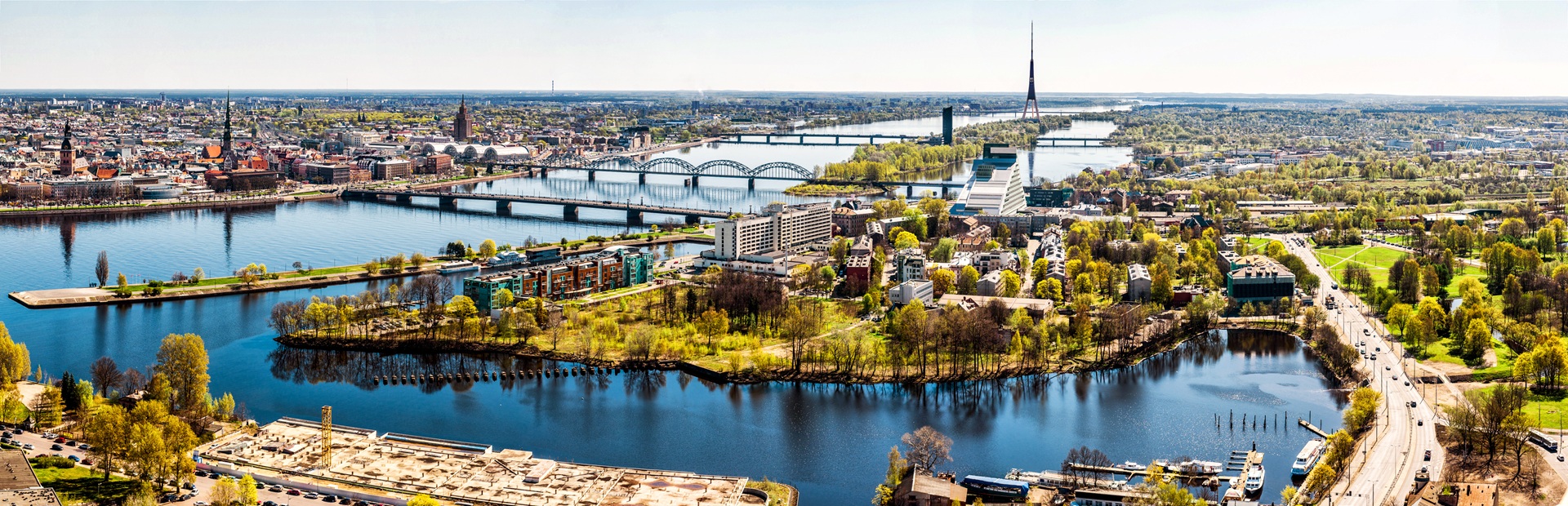
 Latvia
Latvia provides an accessible EU residency route through relatively low-threshold investment options. It is popular with applicants seeking Schengen access who do not require an immediate pathway to citizenship.
Qualification: Business or real estate from €50,000
Stay requirement: No minimum annual stay
Pathway: 5 years to permanent residency